Navigating the South African Macroeconomic Landscape: A Practical Guide for Small Business Owners
Sustained Grid Stability & Resource Re-investment
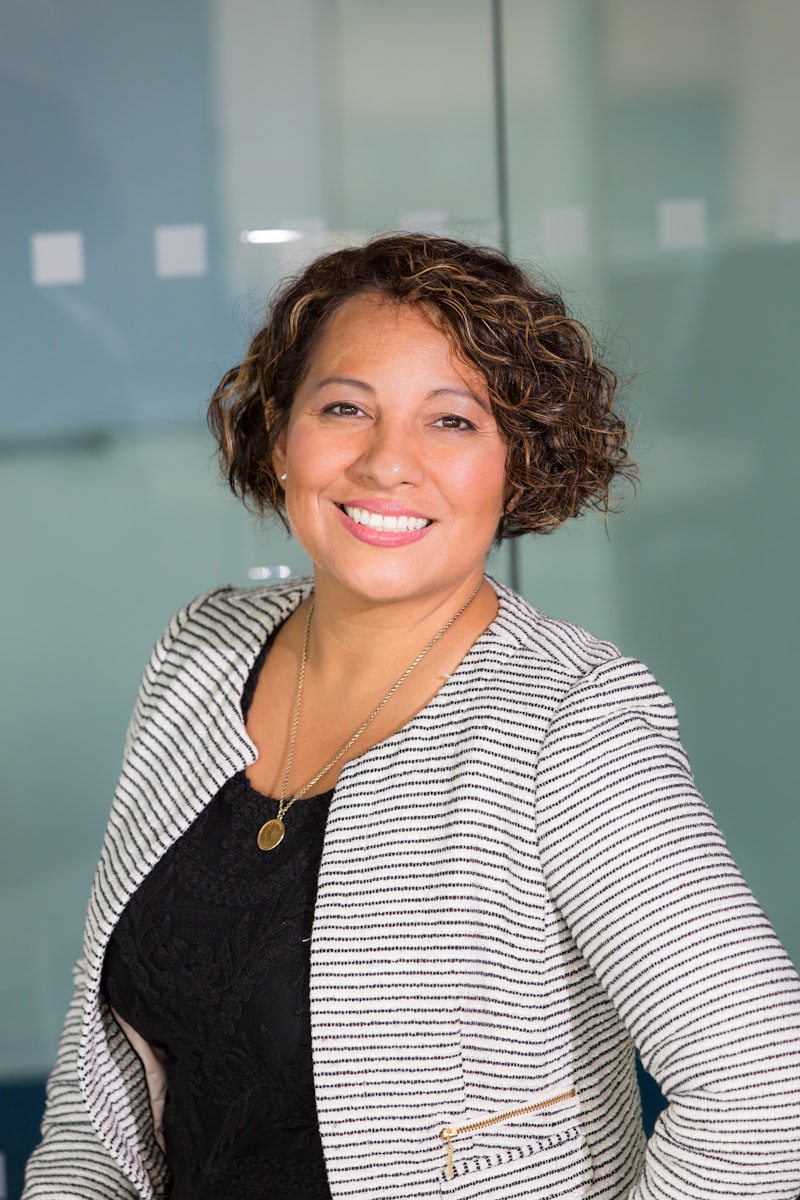
Editor's Note: A South African small business owner standing proudly by their modern, solar-supported workspace in Johannesburg, smiling as stable local power enables consistent service growth.
If you run a small business in South Africa, the last few years have probably felt like one long exercise in firefighting. Between power cuts, rising prices, and tighter budgets, most owners have spent more time trying to survive than actually growing their business.
Starting in 2026, though, the economic picture is finally starting to clear up a bit. While things aren't blowing the roof off just yet, key numbers show that we're moving out of survival mode and into a space where smart small businesses can actually start expanding again.
To make the most of this shift, you don't need a degree in economics. You just need to understand what these bigger economic trends mean for your daily cash flow—and how to turn internet searches into paying customers.
1. The Economic Outlook: Growth Rates and Inflation Made Simple
After a long stretch of slow movement, national forecasts show our economy is making steady progress. Real output grew by 1.1% in 2025, and projections for economic growth in SA for 2026 point to a bump up to between 1.4% and 1.6%, before aiming for 2.0% over the next few years.
A big reason for this steadying trend is that the South African Reserve Bank has set a clearer inflation target centered at 3.0%. For you, this means predictable expenses—when inflation stays steady, the prices you pay suppliers don't jump around as wildly, making it much easier to price your services fairly.
Household spending has shown positive growth for seven quarters in a row. As inflation cools down, everyday shoppers slowly get a little more breathing room in their wallets to spend on repairs, services, and local products.
2. The Turning Point on Power: Reinvesting in Real Growth
For years, load shedding was a massive drain on small business bank accounts. Micro-enterprises had to pour hard-earned cash into fuel, diesel generators, battery backups, and solar units just to keep the lights on and doors open.
With the national power grid staying stable in 2026, you no longer have to burn working capital on emergency power. You can finally take those funds and reinvest them where they actually generate revenue—like local advertising, staff training, and building a strong digital presence on Google Maps.
3. Ground-Level Reality: Value-Conscious Customers
While the bigger economic picture is getting better, things on the ground are still tough. With local unemployment around 31.4% to 32.7%, customers are being very careful with every Rand they spend.
Impulse buying is mostly gone. Today, South Africans do their homework on their phones before spending money anywhere. Before calling a contractor or walking into a shop, they check online reviews, rating prominence, clear pricing, and how quickly the business responds on WhatsApp.
With over 90% of internet browsing in SA happening on mobile phones, just having a physical shopfront isn't enough anymore. Small business stability now relies on being visible on Google search the exact moment a customer needs help.
4. Practical Steps to Grow Your Business in 2026
Pillar A: Speed Up Your Cash Flow. Waiting 60, 90, or 120 days for clients to pay invoices can kill a healthy business. Put instant payment links (like Instant EFT or QR codes) right onto your digital invoices so clients can pay you on the spot.
Pillar B: Stand Out on Local Google Maps. If your business doesn't show up when people search on their phones, you're handing customers straight to competitors. Being in the top 3 spots on Google Maps is one of the quickest ways to get new leads.
Pillar C: Turn WhatsApp into a Sales Engine. With almost 25 million South Africans using WhatsApp, it’s where your prospective clients already spend their time. Use a WhatsApp Business Catalogue so potential buyers can browse your products and service prices right inside the chat.
How Praize Helps South African Businesses Win
Having a great product or service is only half the formula. If potential clients can't find you when searching on their phones, they will spend their money with your competitors. At Praize, we optimize your Google Business Profile to secure your place in the top 3 Map Pack spots, set up automated WhatsApp qualifying funnels that capture client details 24/7, and build clean local credibility that translates searches directly into calls.
Sam
Technology and Operations Lead at Praize
Sam helps South African small businesses list their services online, manage their local Google presence, and keep their simple digital channels running smoothly.